Insights and Highlights from Alberta Municipalities’ 2025 Convention
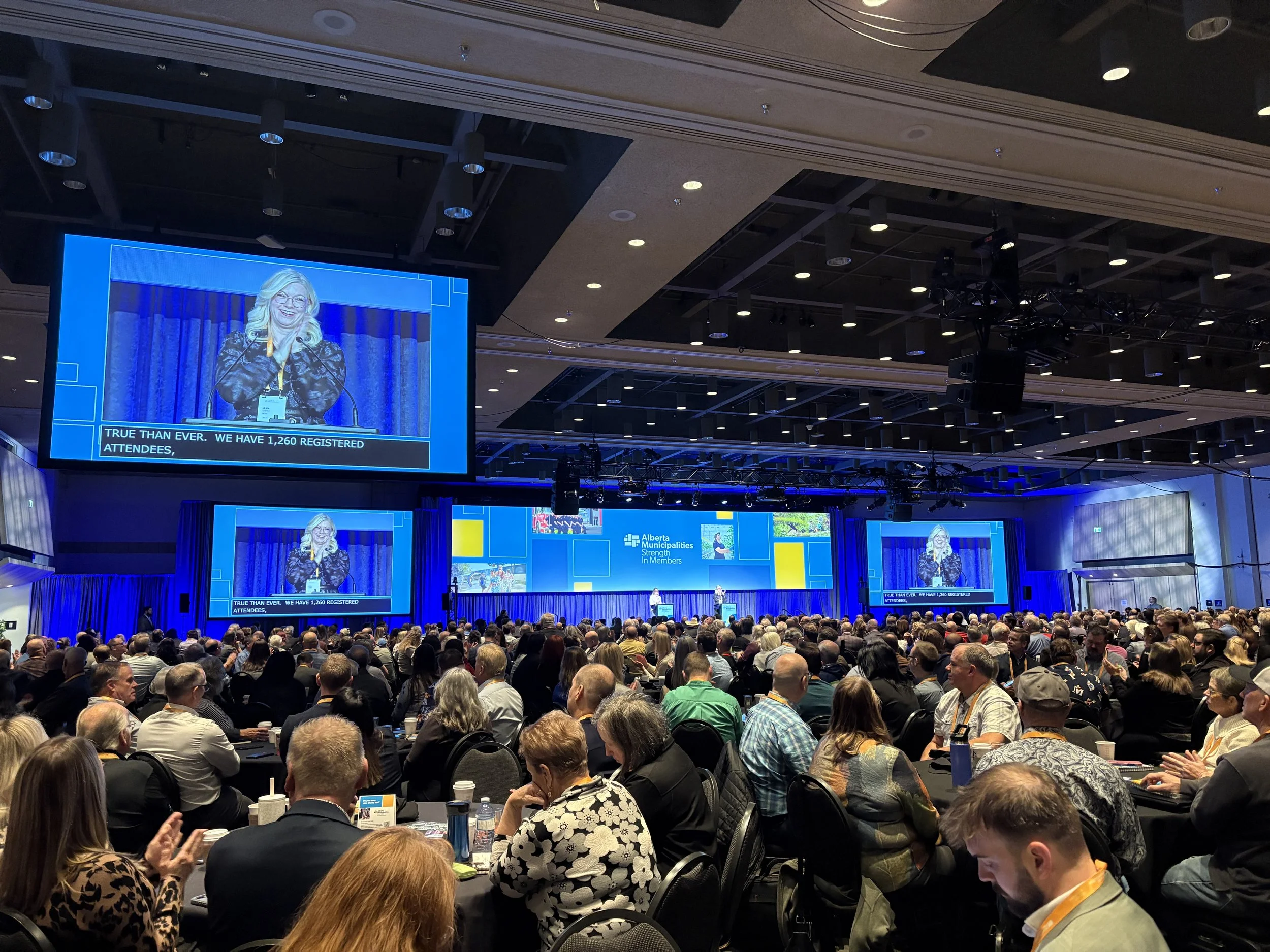
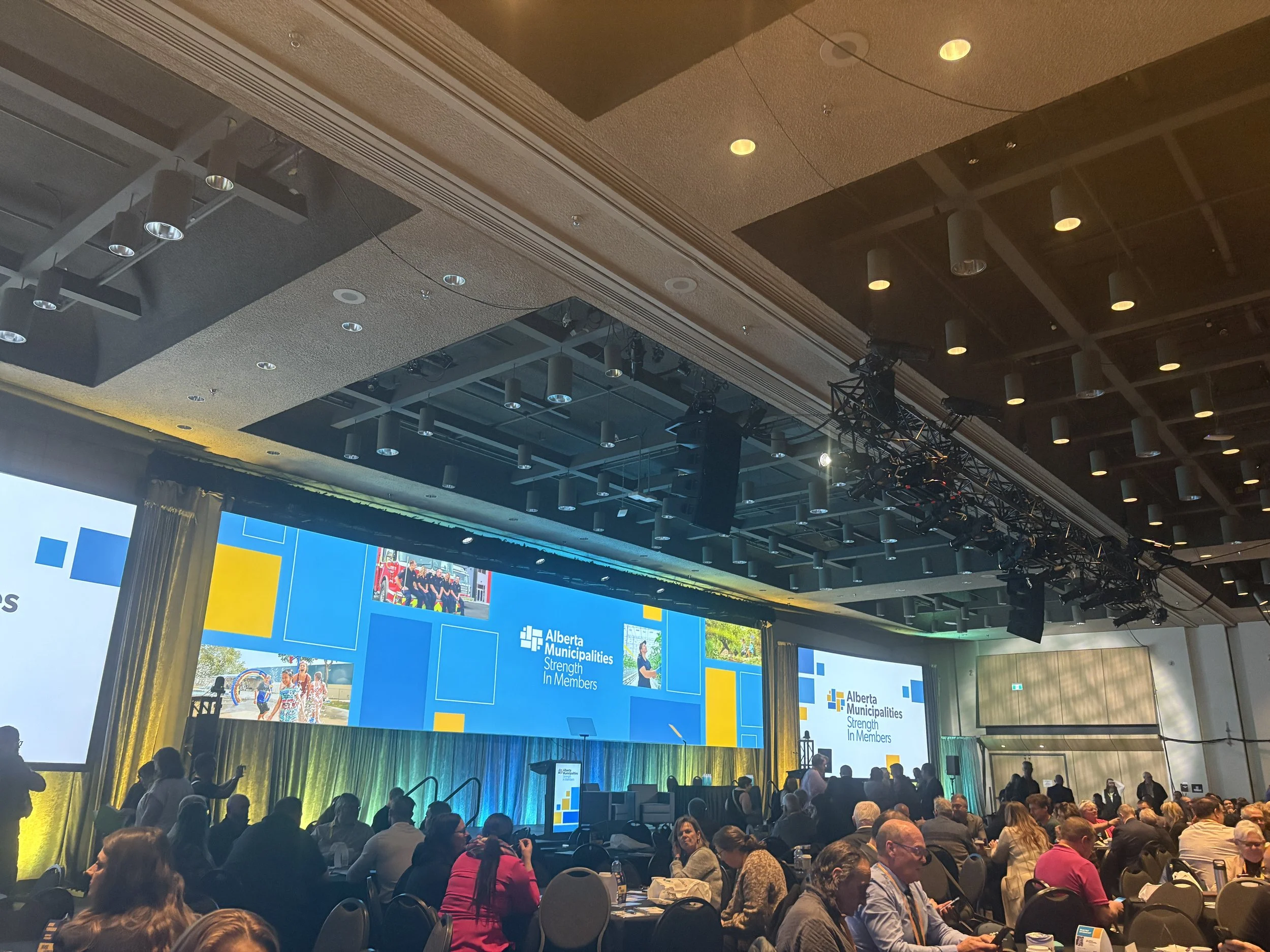
Attending the Alberta Municipalities’ Convention is always a highlight of my year. It offers a great reminder of what municipal leadership looks like in action. This year’s gathering — the largest of its kind — had a positive undercurrent: collaboration, genuine appreciation for our communities, and a collective energy toward building stronger municipalities for the future.
Here are a few of top insights from Convention that stood out for me:
A Strong Opening: A Culture of Welcome and Appreciation
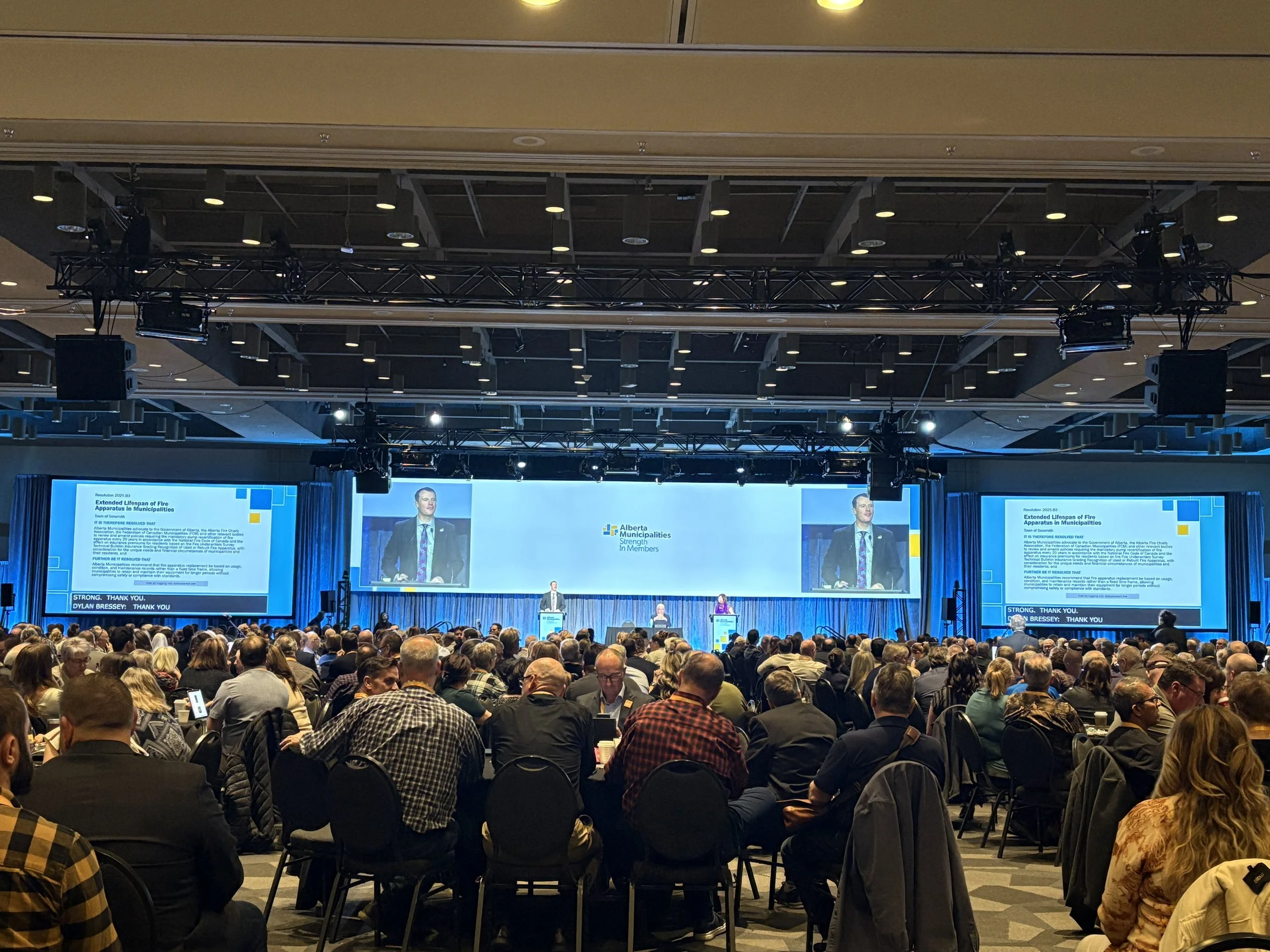
The opening general session set the positive tone. Convention Co-Chairs former Mayor Jones and Mayor Gardner introduced the ABmunis Board—not with positional summaries, but by highlighting what each board member appreciates about their community. It was a simple approach that did more than introduce leaders; it reinforced why municipal leadership matters. Every community, regardless of size, has something distinct to offer, and the leaders’ pride and sense of place was visible.
The overall tone was intentional: welcoming, supportive, and focused on helping first timers feel part of the group. That framing carried through the rest of the Convention.
AI in Municipalities: Responsible and Practical
The breakout session on AI—and the launch of the ABmunis AI Adoption Toolkit—provided tangible examples that AI is no longer a theoretical conversation. Municipalities are grappling with how to deploy responsible and pragmatic AI use in day-to-day operations and governance. Overall, AI is not a shortcut or about replacing staff. It is a tool to help to deliver greater value to residents.
The session’s case study was practical and useful:
• How can AI improve operational efficiency and lower costs while still delivering quality services and infrastructure?
• Where can it free up capacity for staff?
• How do we use technology responsibly without compromising ethics, transparency, or trust?
The Collaborative Spirit Between Municipalities
Across conversations with elected officials and administration, collaboration kept surfacing. Municipalities want each other to succeed. And collaboration isn’t just strategic—it’s part of who we are. Elected officials and administrators openly shared challenges, lessons learned, and approaches that worked for them.
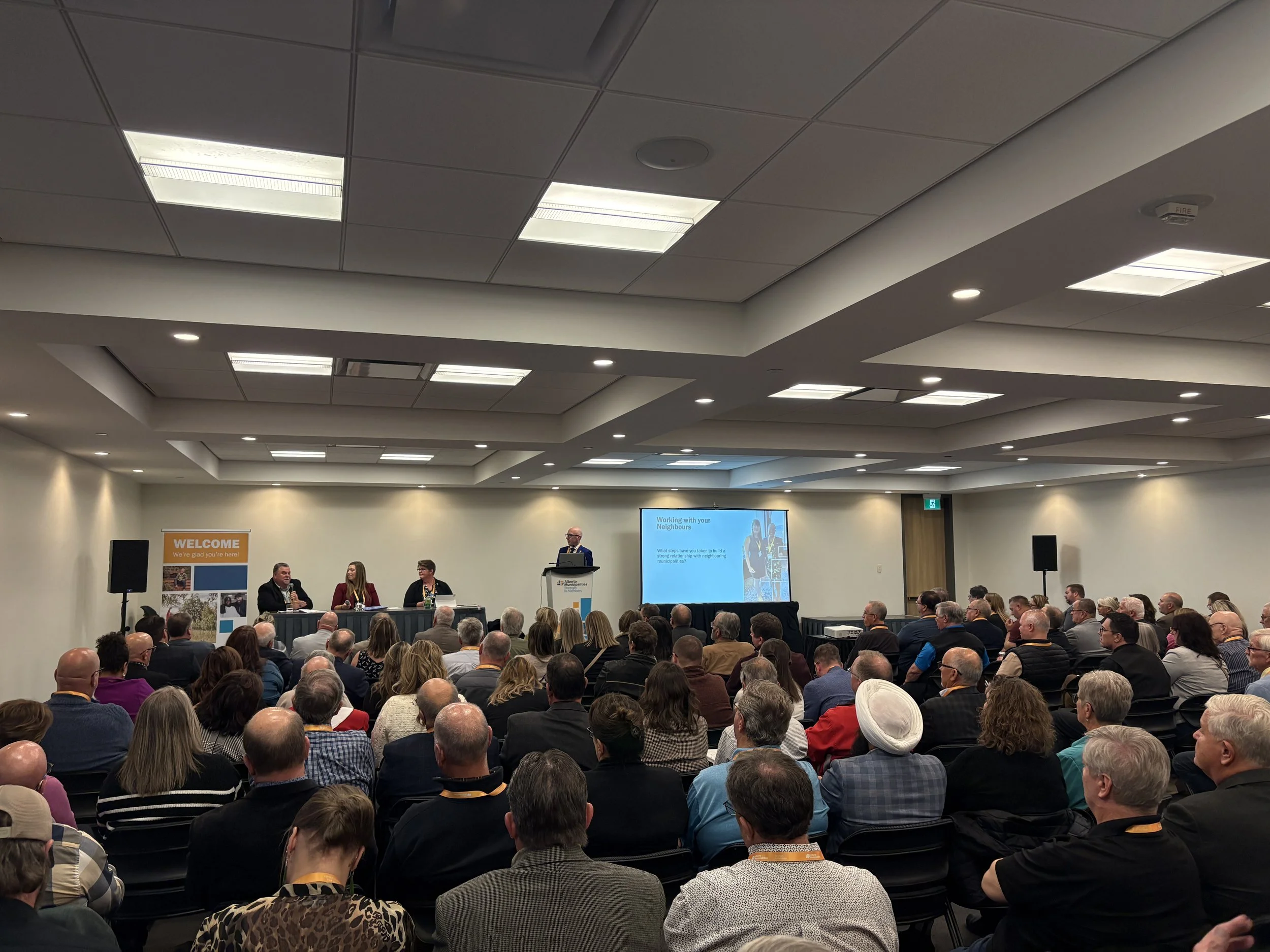
Collaboration was an especially frequent topic in the “Mayor’s Masterclass: Tips for Leading Your Council and Community” session with Mayor Potter, Mayor Hanson, and Mayor Derko and moderated by Mayor Knack. The panel shared how collaboration requires leaders to look beyond their borders, but the payoff is a stronger region with resilience and success.
The supportive atmosphere rippled throughout the room and showcased what real relationships look like in the municipal sector. As a bonus, the lighting round was also fun and entertaining.
Helpful Advice on Council–CAO Relationships
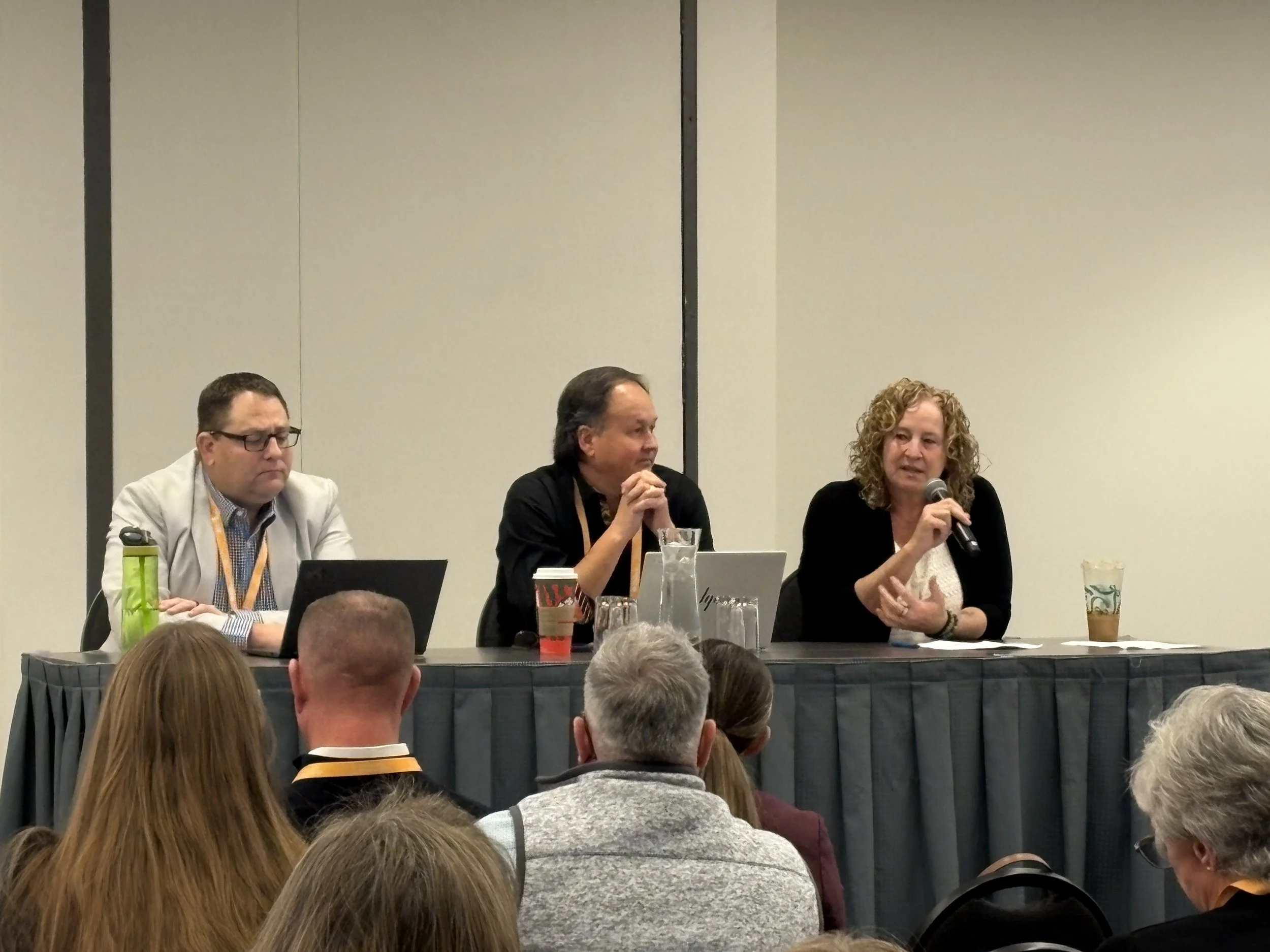
The session on Council–CAO relationships — featuring Sue Howard, Ryan Leuzinger, and Dean Screpnek — offered some of the most practical advice of the Convention for those navigating this delicate balance.
A few themes from the panel stood out:
• Open communication prevents small issues from hardening into major conflicts. It’s also more efficient.
• Establishing a consistent meeting rhythm creates space for agenda-setting, check-ins, and relationship-building.
• Strong relationships require intention and time, not assumptions. Putting in the work to build and offer trust is invaluable.
This session highlighted the nuance of leadership and governance work. It’s rarely only the large, formal decisions that cause dysfunction; it’s the small daily and weekly components around relationships and solid decision-making processes that can make the most difference in productive or unproductive Council-CAO relationships.
Strategic Planning Must Meet Each Municipality’s Unique Needs
One frequent conversation I had with Councillors and administrators centered on their upcoming strategic planning. The scale and approach to strategic planning differ dramatically across municipalities:
• Some need a complete re-set: a chance to envision new priorities and develop relationships for their next chapter.
• Others already have a solid framework in place and simply need a small update.
• Many are focused on strengthening the relationship between Council and administration and building trust within the team that is so crucial to working well together.
As we discussed the nuances of strategic planning, we all agreed that forcing municipalities into a rigid, cookie-cutter planning model is counterproductive. A strategic plan must align with the community’s needs and priorities as well as the group’s decision-making culture and current level of cohesion—not an external template.
Highlights of the Week
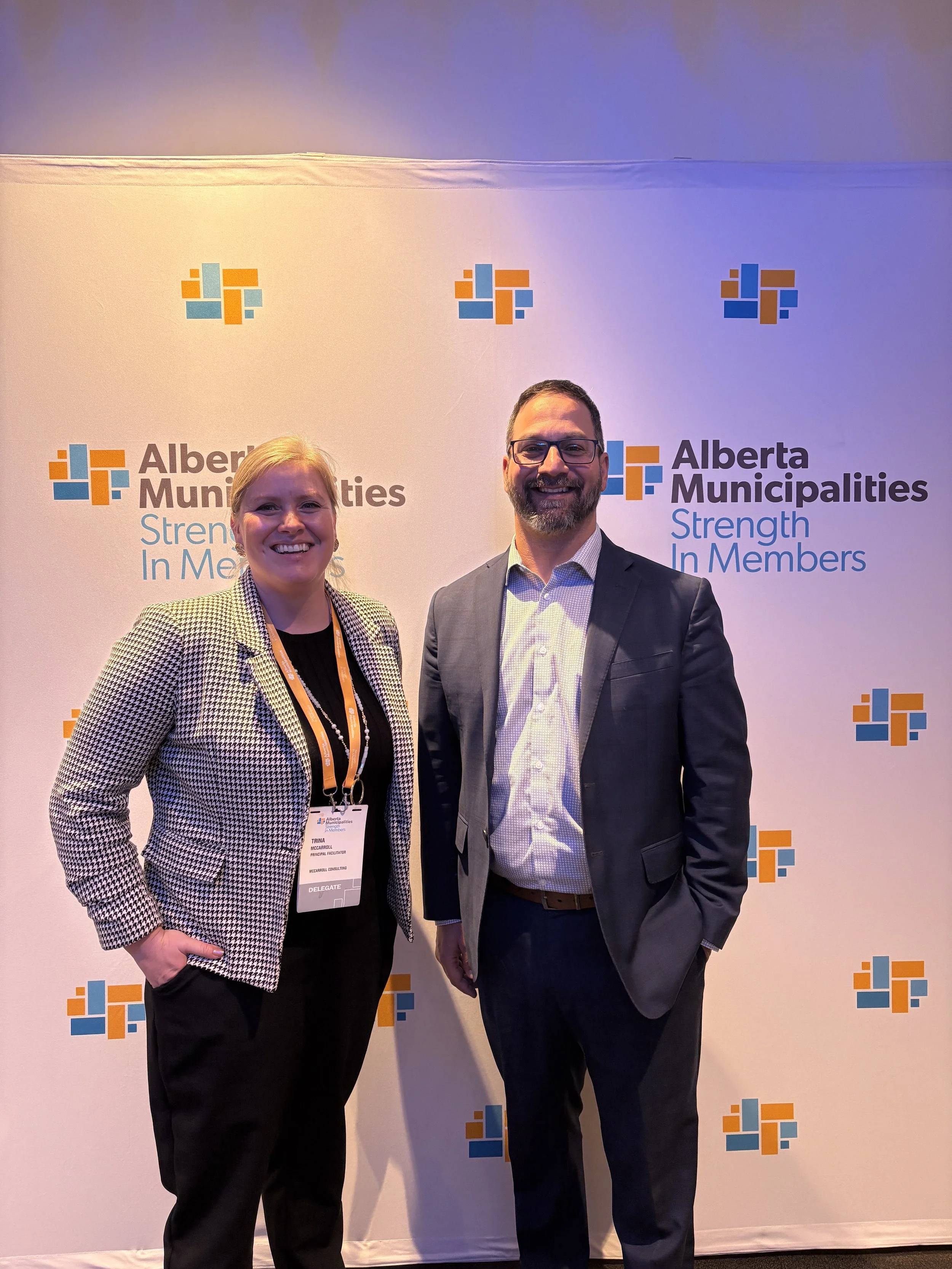
Of course, one of the highlights for me every year at ABmunis Convention is getting to catch up with municipal clients, colleagues, and friends from across the province. You can’t beat great good, great company, and great conversations about making municipalities better.
And a huge congratulations to the newly elected Board members for ABmunis including President Dylan Bressey. And thank you to all of the organizers who work tirelessly to make Convention happen.
Real Leaders, Real Service
A final reflection that stayed with me throughout the week at Convention: how much I want the public to remember that these local leaders are real people doing difficult, often thankless, work of steering our communities and organizations. Elected officials and administrators carry the weight of high expectations, tight budgets, and the responsibility to serve the public good.
Almost all of them step forward for the right reasons. They want to help their communities thrive. They want to make decisions that matter. They want to work with one another. This year’s Convention reinforced that municipal leadership is grounded in service, humility, and care for place and people.
Elected officials and administrators — thank you for your leadership.
Translating Municipal Optimism and Energy into Useful Strategic Plans
Leadership works best when strategy and culture are integrated… and I saw that all week through connection, values-based work, policy direction, and healthy debate. Alberta’s municipal reps showed a willingness to learn, collaborate, and think about the future with clarity and optimism.
Now that Convention has wrapped up and elected officials are beginning to settle in, the next main item on their plates (after budget) will likely be strategic planning. I’m excited to see where our local leaders will go as we support many of them in translating their energy into useful direction and plans. These strategic planning processes will help establish how their Council team will operate, guide the priorities for their upcoming term, and ultimately generate positive impact for their communities.